Looking for Bhutan travel FAQs? Here you’ll find answers to common questions about visiting Bhutan, including visa requirements, travel costs, tour packages, and useful travel tips.
Best Time to Visit Bhutan – Top Bhutan Travel FAQs
One of the most popular Bhutan travel FAQs is “When should I visit Bhutan?” The answer: Bhutan is a year-round destination with unique experiences in every season.
Understanding Bhutan’s Seasons – Essential Bhutan Travel FAQs
As covered in our Bhutan travel FAQs, there are four distinct seasons: summer (June to August), autumn (September to November), winter (December to February), and spring (March to May). But because of the range of altitudes in the country and the influence of the north Indian monsoons, the climate is incredibly varied.
Regional Climate Variations
In the south, the humid, subtropical climate is fairly consistent year-round, with temperatures between 15°C and 30°C. Central Bhutan, with its temperate forests, has a more seasonal climate, with warm summers and cool, dry winters. The northern regions are much colder during winter. Because of the high altitude, mountain peaks are snowy year-round and the lower reaches remain cool in summer.
Summer in Bhutan (June to August)
In summer, the Indian monsoon season runs from late June or July to late September, mostly affecting the southern regions. According to our Bhutan travel FAQs, most farming activities take place in summer, when crops thrive in verdant landscapes.
Autumn in Bhutan (September to November) – Peak Season
Autumn, from late September or early October to late November, follows the rainy season. This is when we receive the most Bhutan travel FAQs about booking tours! Autumn is characterized by bright, sunny days and some early snowfall at higher elevations. It’s the season of feasts and festivals as farmers reap the fruits of their work.
Winter in Bhutan (December to February)
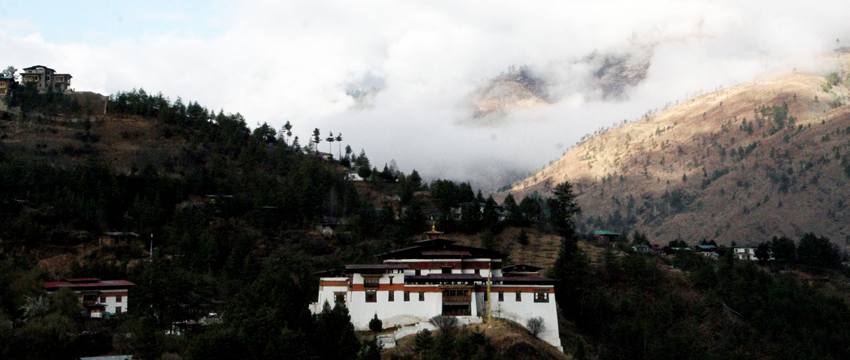
From late November until March, the crisp, clear and sunny winter sets in, with frost throughout much of the country and snowfall common above elevations of 3,000 meters. The winter northeast monsoon brings gale-force winds at the highest altitudes through high mountain passes, giving Bhutan the name Drukyul, which means Land of the Thunder Dragon in Dzongkha (Bhutan’s national language).
Spring in Bhutan (March to May)
A common question in our Bhutan travel FAQs: “When do the flowers bloom?” Bhutan’s generally dry spring starts in early March and lasts until mid-April. It is a botanist’s delight, with nature in full bloom. Summer weather commences in mid-April with occasional showers and continues to late June.
Still wondering when to visit? Contact Dheyma Travels and we’ll help you choose the perfect season based on your interests. Explore our tour packages for seasonal itineraries.
The SDF is USD 100 per night for adults from all countries except for India. Children aged between 6 years and who have not yet turned 12 are eligible to pay USD 50 per night. Children who have not yet turned 6 years old do not have to pay any SDF.
The SDF for Indian nationals (showing a valid Indian passport or Voter ID card) is Nu. 1,200 (or the equivalent amount in Indian rupees) per person, per night. Children aged between 6 years and who have not yet turned 12 are eligible to pay Nu./INR 600 per night. Children who have not yet turned 6 years old do not have to pay any SDF.

SIM cards can be purchased from the Paro International Airport’s visitor information centre on arrival, or from branch offices of Bhutan Telecom and TashiCell, or from authorised agents in towns.